
Joint pain is a very common symptom, often felt in the knees, hips, shoulders, spine, hands, or feet. Along with pain, stiffness and a burning or throbbing sensation are common, and symptoms often rise and fall with activity. Many treatments can reduce or eliminate joint pain, and an accurate diagnosis guides which one is right.


Depending on the severity of the pain, many non-surgical options exist. Surgery is needed only when a joint is badly damaged.
Non-surgical care
Surgical options
Your physician will recommend the least invasive treatment appropriate for the joint and the cause of your pain.
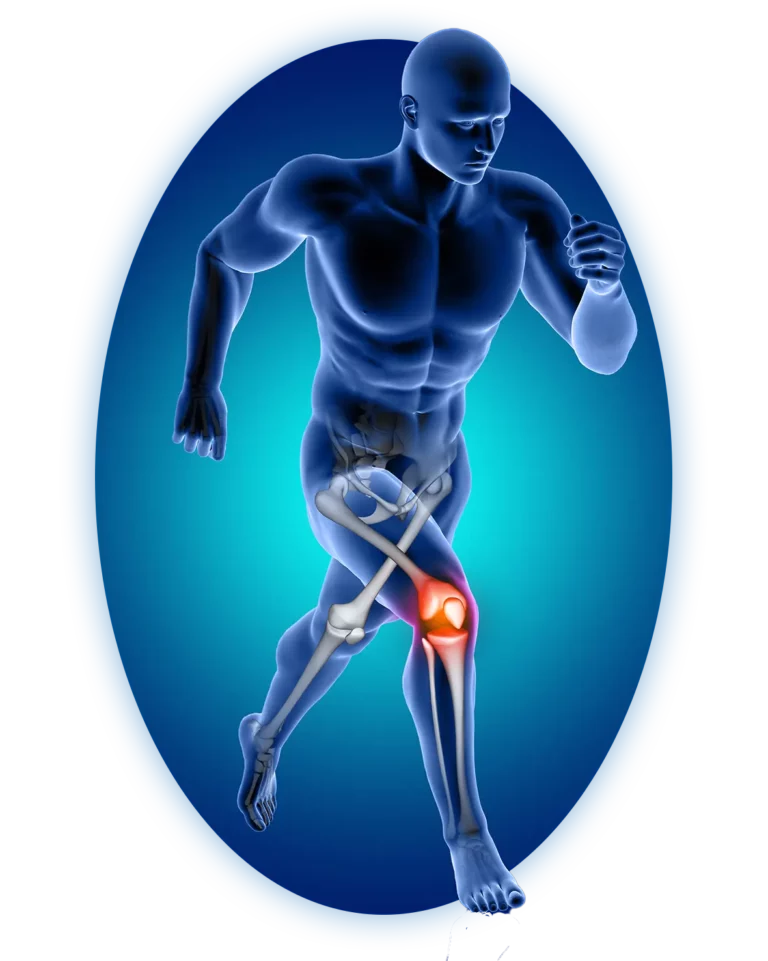
A variety of conditions and injuries can cause joint pain. Common causes include:
Gradual wear of the joint cartilage.
Overuse
Repetitive movement at work or in sports.
Sprains, tears, and fractures.
Gout
Crystal deposits cause sudden, severe joint pain.
Inflammatory arthritis
Conditions such as rheumatoid arthritis.
Age
The risk increases as joints get older.
Joint pain can occur anywhere in the body. Learn more about the joints we treat most often:
Common causes include osteoarthritis, overuse, injury, tendonitis, bursitis, gout, and inflammatory arthritis. The risk increases with age, as joint cartilage gradually wears.
Joint pain can occur anywhere, but it is most common in the knees, hips, shoulders, neck, elbows, wrists, fingers, ankles, and feet.
See a physician if joint pain does not improve over a few weeks, keeps returning, or comes with swelling, redness, warmth, stiffness, or loss of motion. A hot, swollen joint with fever needs prompt care.
Joint pain often changes with activity. Arthritic joints may ache after use and stiffen after rest, and inflammation can flare and settle over days or weeks.
Yes. Physical therapy, anti-inflammatory medication, weight management, bracing, and injections reduce or eliminate pain for many patients.
When a joint is badly damaged, procedures such as arthroscopy or joint replacement can restore function. Total Spine and Orthopedics offers minimally invasive options when surgery is needed.
A physical examination is typically the first step. X-rays, MRI, or CT help show cartilage loss, injuries, and inflammation, and blood tests can check for gout or inflammatory arthritis.
Total Spine and Orthopedics treats joint pain in Melbourne, Orlando (Lake Nona), and Titusville. Call (321) 499-4646 to schedule an evaluation.
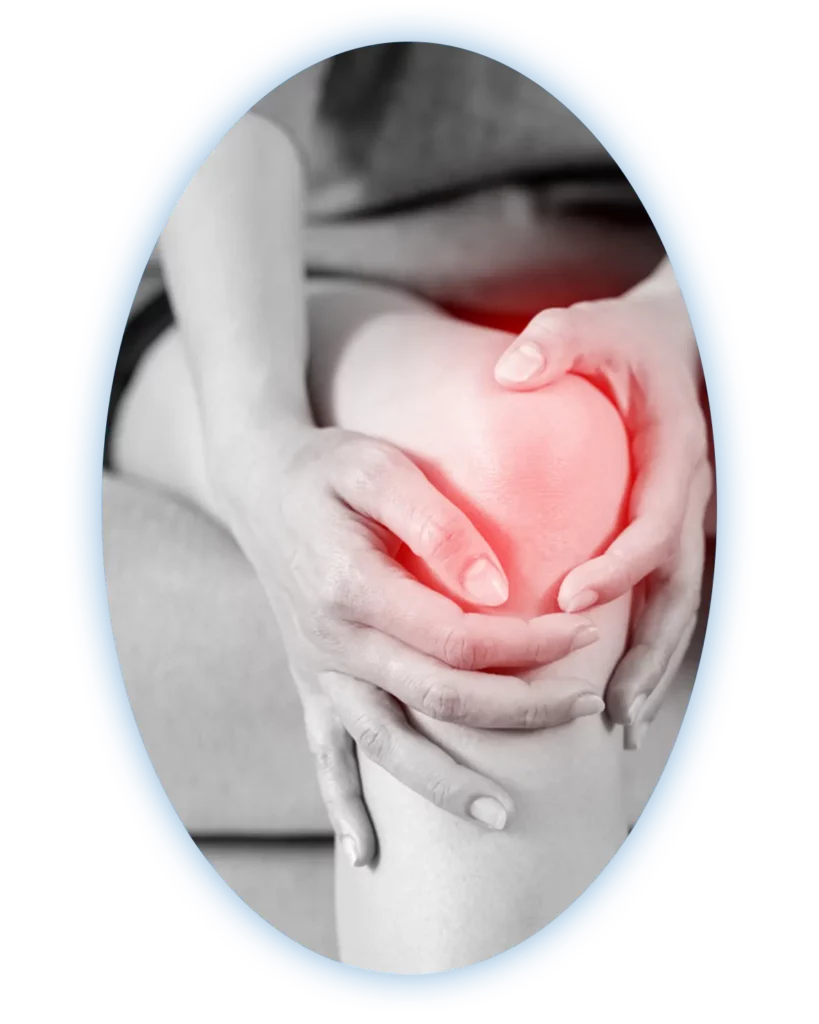
In many cases, joint pain is not constant and increases or decreases with activity. Common symptoms include:
How minimally invasive joint replacement compares with the traditional approach.
When a joint is badly damaged, minimally invasive joint replacement can restore comfortable movement with smaller incisions and a faster recovery.
Hear our patients share their experience with us, All in their own words.
Expert, ultra-minimally invasive spine and orthopedic care, close to home.
Ultra-minimally invasive and endoscopic techniques
We specialize in procedures performed through incisions smaller than a dime, sparing muscle and supporting a faster recovery.
Same-day, outpatient procedures
Most patients walk in and return home within hours, rather than facing an overnight hospital stay.
Board-certified, fellowship-trained surgeons
Our team includes early leaders in endoscopic spine surgery.
A complimentary MRI review
Understand your diagnosis and options from a board-certified specialist before committing to any treatment.
Trusted by our community
More than 1,100 patient reviews at a 4.6-star average, and over 50,000 patients treated.
Spine and joint care in one place
From injections to arthroscopy and joint replacement, our team treats joint pain throughout the body.
Comprehensive spine and orthopedic care
From injections to advanced procedures, your full continuum of care is handled in one place.
Convenient locations across the Space Coast and Orlando
Care close to home in Melbourne, Orlando (Lake Nona), and Titusville.