
A hip labral tear is an injury to the labrum, the cartilage that lines the rim of the hip socket where the ball of the thigh bone sits. A tear can cause intense pain, clicking or locking, and reduced hip mobility. Minor tears may need no treatment, while larger, painful tears can be treated with physical therapy, injections, or minimally invasive surgery.

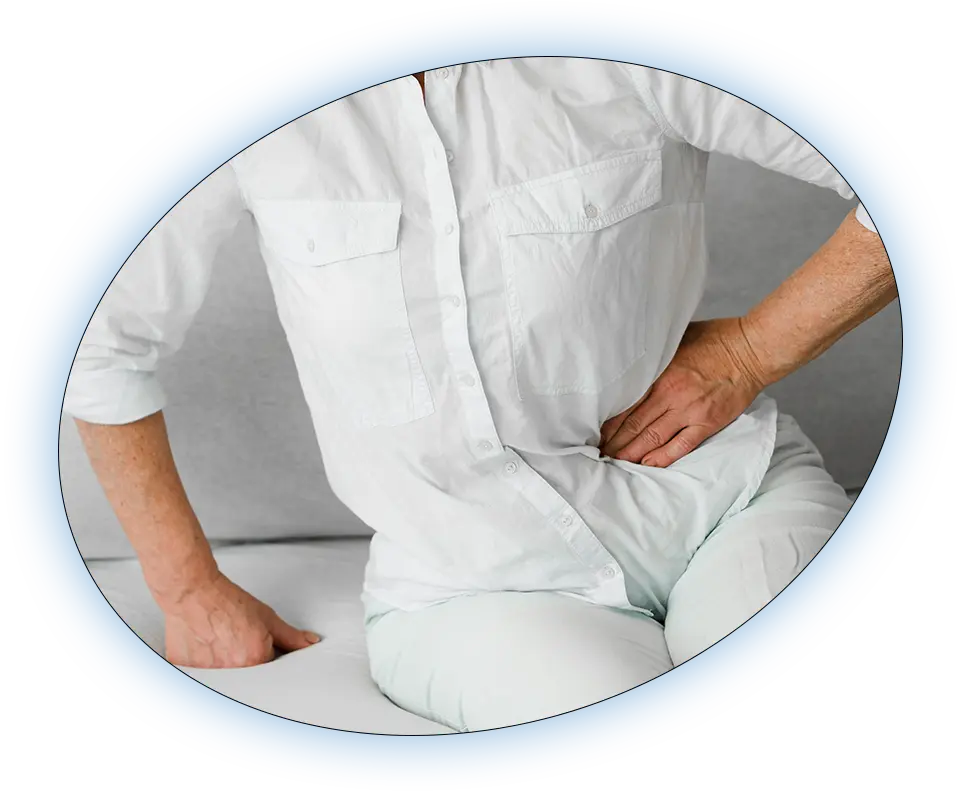
If a tear is minor and causes minimal symptoms, treatment may not be required. For larger and more painful tears, a variety of options are available.
Non-surgical care
Minimally invasive surgery
A physical examination by a licensed physician is the best way to determine which treatment option is right for you.

Some of the most common causes of tears include:
Traumatic injury
A fall, dislocation, or car accident.
Repetitive movement
Twisting and pivoting in sports such as soccer, hockey, golf, and dance.
Hip bone abnormalities
Femoroacetabular impingement pinches the labrum.
Degeneration
Age-related wear of the cartilage.
Overuse
Repeated deep flexion of the hip.
Joint laxity
A loose or unstable hip places extra stress on the labrum.
A hip labral tear is an injury to the labrum, the ring of cartilage that lines the rim of the hip socket and helps hold the ball of the thigh bone in place.
Most people feel deep pain in the groin or front of the hip, sometimes in the buttock, with clicking, locking, or catching and a feeling of stiffness or instability.
Common causes include traumatic injury, repetitive twisting and pivoting, and abnormalities in the shape of the hip bones (femoroacetabular impingement) that pinch the labrum.
The labrum has a limited blood supply, so it may not heal on its own, but many patients become comfortable with physical therapy, medication, and injections. Minor tears may not need treatment.
A physical examination with specific hip movements is the first step. X-rays show bone shape, and MRI or MR arthrography (MRA) shows the labrum and soft tissues in detail.
Minimally invasive arthroscopic surgery is considered for larger, painful tears that do not improve with conservative care, with the approach tailored to the tear and the shape of the hip.
A torn labrum and the bone shape problems that often cause it can increase wear in the hip over time, which is one reason persistent symptoms deserve evaluation.
Total Spine and Orthopedics evaluates hip labral tears and other causes of hip pain in Melbourne, Orlando (Lake Nona), and Titusville. Call (321) 499-4646.
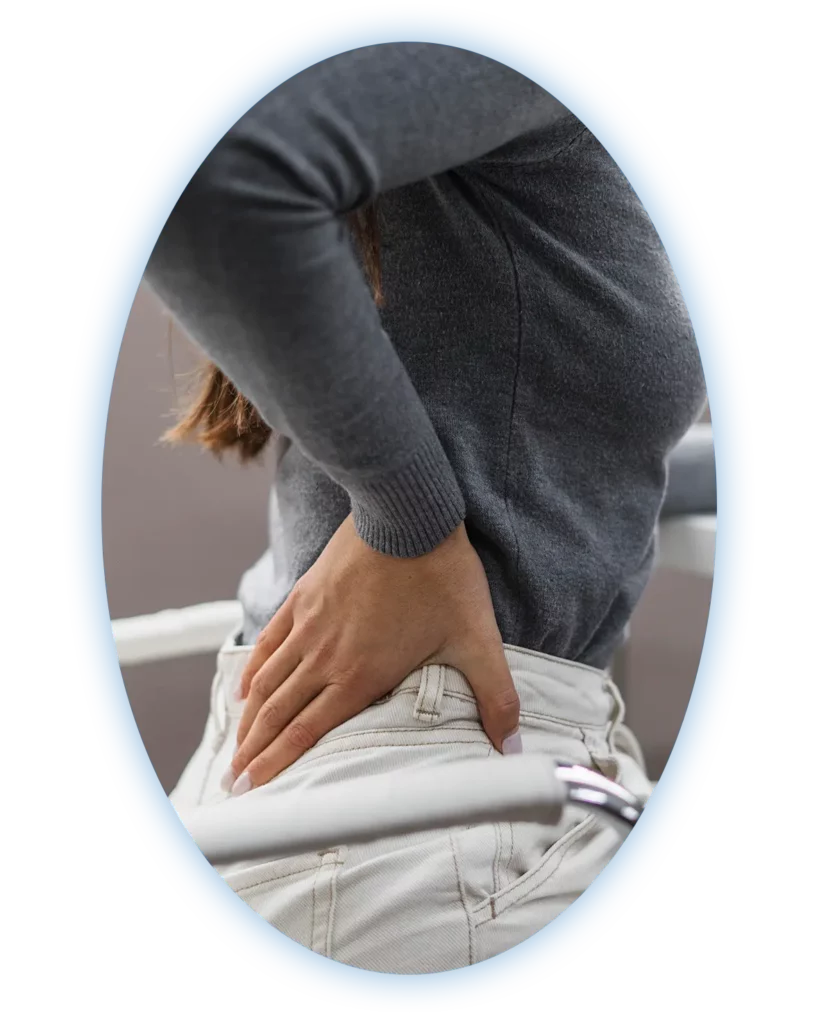
Common symptoms include:
How arthroscopic (keyhole) surgery of the hip compares with traditional open surgery.
Minimally invasive hip arthroscopy can repair the damaged labrum through small incisions, with a quicker start to rehabilitation.
Hear our patients share their experience with us, All in their own words.
Expert, ultra-minimally invasive spine and orthopedic care, close to home.
Ultra-minimally invasive and endoscopic techniques
We specialize in procedures performed through incisions smaller than a dime, sparing muscle and supporting a faster recovery.
Same-day, outpatient procedures
Most patients walk in and return home within hours, rather than facing an overnight hospital stay.
Board-certified, fellowship-trained surgeons
Our team includes early leaders in endoscopic spine surgery.
A complimentary MRI review
Understand your diagnosis and options from a board-certified specialist before committing to any treatment.
Trusted by our community
More than 1,100 patient reviews at a 4.6-star average, and over 50,000 patients treated.
Expert diagnosis of hip pain
Our orthopedic physicians are expertly trained in diagnosing labral tears and the other causes of hip pain.
Comprehensive spine and orthopedic care
From injections to advanced procedures, your full continuum of care is handled in one place.
Convenient locations across the Space Coast and Orlando
Care close to home in Melbourne, Orlando (Lake Nona), and Titusville.