
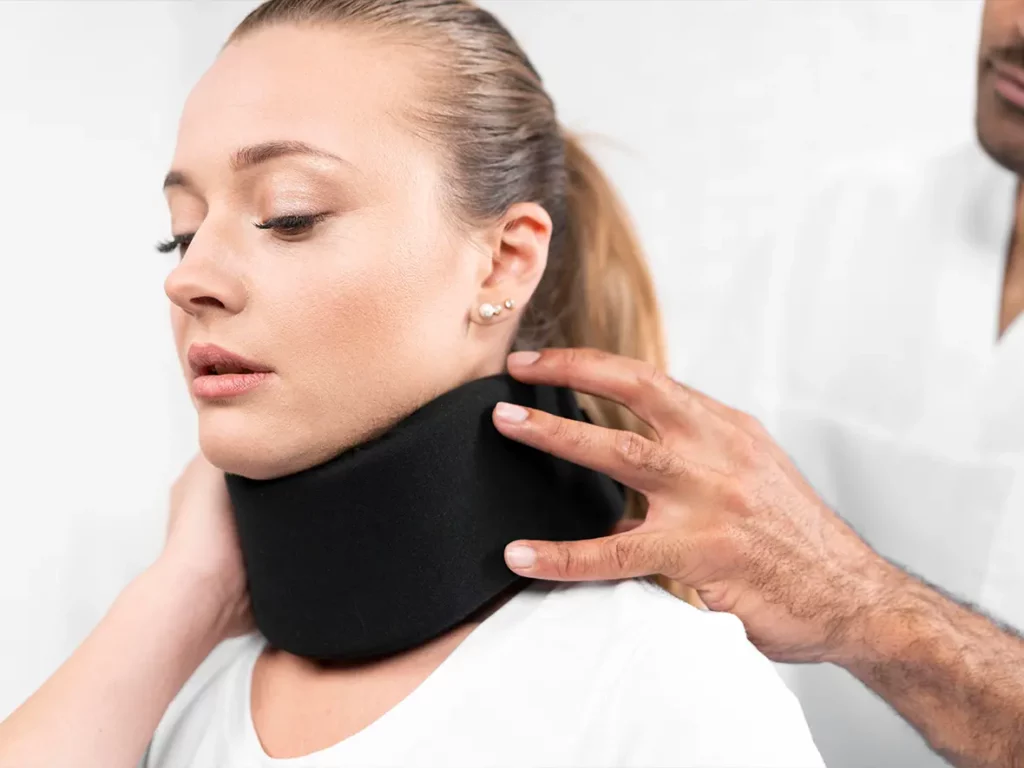
Neck and back braces serve several purposes. After spinal fusion or other spine surgery, a brace may help protect the spine during recovery. As part of a conservative plan, a brace can support and stabilize the spine to relieve pain before surgery is considered. Your physician chooses the right brace for your needs.

Bracing may be part of the plan for:

Some patients wear a brace after surgery to help prevent movement and promote proper healing:
Choosing the brace
Your surgeon selects the brace based on the type and location of surgery.
Protected healing
The brace limits motion while the spine heals in the proper position.
Gradual weaning
Brace use is reduced as healing progresses.
Rehabilitation
Physical therapy restores strength and mobility.
For patients recommended for spinal fusion, minimally invasive stabilization is an outpatient alternative that takes a muscle-sparing approach.
Bracing
External support
Conservative care
Minimally invasive stabilization
Internal support
Surgical option
If you have questions about stabilization surgery or recovery, our team is here to help.
Braces are used after spine surgery to protect the spine while it heals, and as part of a conservative treatment plan to support and stabilize the spine before considering surgery.
Some patients wear a neck or back brace after surgery to limit movement and promote proper healing. Your surgeon determines the type and duration based on the surgery and expected recovery.
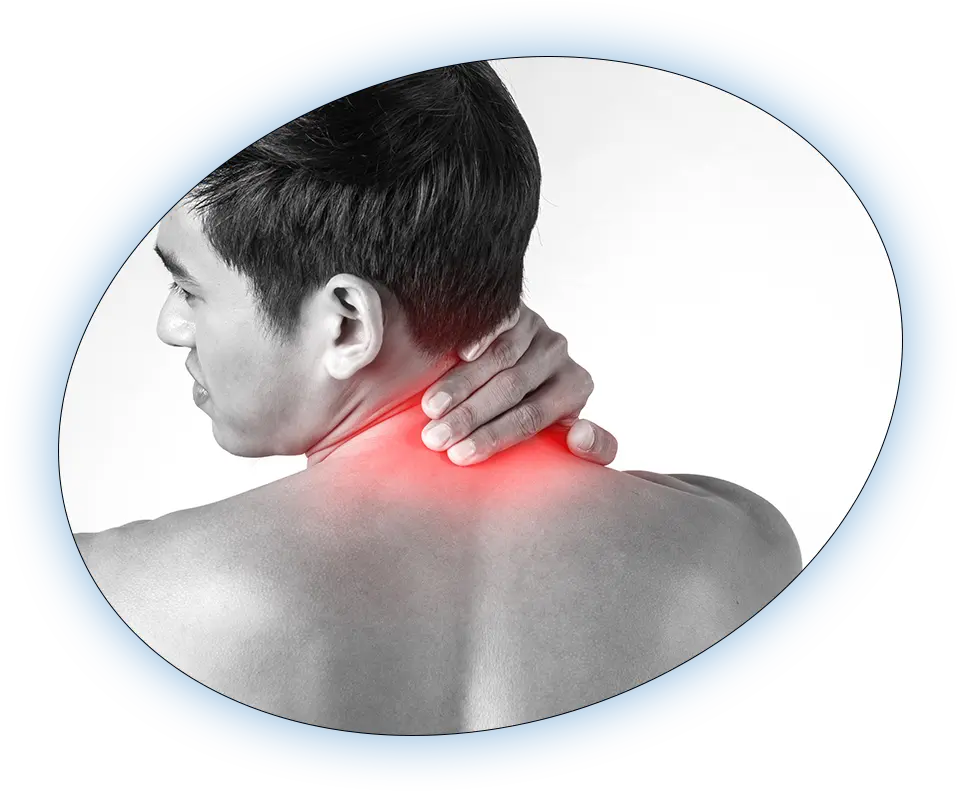
By supporting and stabilizing a weakened section of the spine, a brace can reduce painful motion and pressure on irritated joints and nerves.
There are several types of neck (cervical) and back (lumbar and thoracolumbar) braces, from soft supports to rigid braces. Your physician chooses the right one for your condition.
It depends on the reason for bracing. Post-operative bracing usually lasts several weeks; conservative bracing is often used during flares or specific activities.
Prolonged use can reduce muscle activity, so bracing is usually combined with physical therapy to keep the supporting muscles strong.
Yes. Braces are also used for the knee, ankle, and other joints to support stability during healing or activity.
If you have chronic neck or back pain with difficulty moving or maintaining balance, talk to your doctor. Call (321) 499-4646.
A properly fitted brace can:
Hear our patients share their experience with us, All in their own words.
Expert, ultra-minimally invasive spine and orthopedic care, close to home.
Ultra-minimally invasive and endoscopic techniques
We specialize in procedures performed through incisions smaller than a dime, sparing muscle and supporting a faster recovery.
Same-day, outpatient procedures
Most patients walk in and return home within hours, rather than facing an overnight hospital stay.
Board-certified, fellowship-trained surgeons
Our team includes early leaders in endoscopic spine surgery.
A complimentary MRI review
Understand your diagnosis and options from a board-certified specialist before committing to any treatment.
Trusted by our community
More than 1,100 patient reviews at a 4.6-star average, and over 50,000 patients treated.
Helping you make informed decisions
Our goal is to inform you about your condition and the treatments available so you can choose what is best for you.
Comprehensive spine and orthopedic care
From injections to advanced procedures, your full continuum of care is handled in one place.
Convenient locations across the Space Coast and Orlando
Care close to home in Melbourne, Orlando (Lake Nona), and Titusville.