
Runner's Knee
Runner’s knee is a common injury among runners and athletes. It occurs when the knee joint experiences excessive stress or wear, leading to pain, inflammation, and discomfort around the kneecap. Most cases improve with rest, strengthening, and better mechanics, and an orthopedic evaluation can rule out other problems.

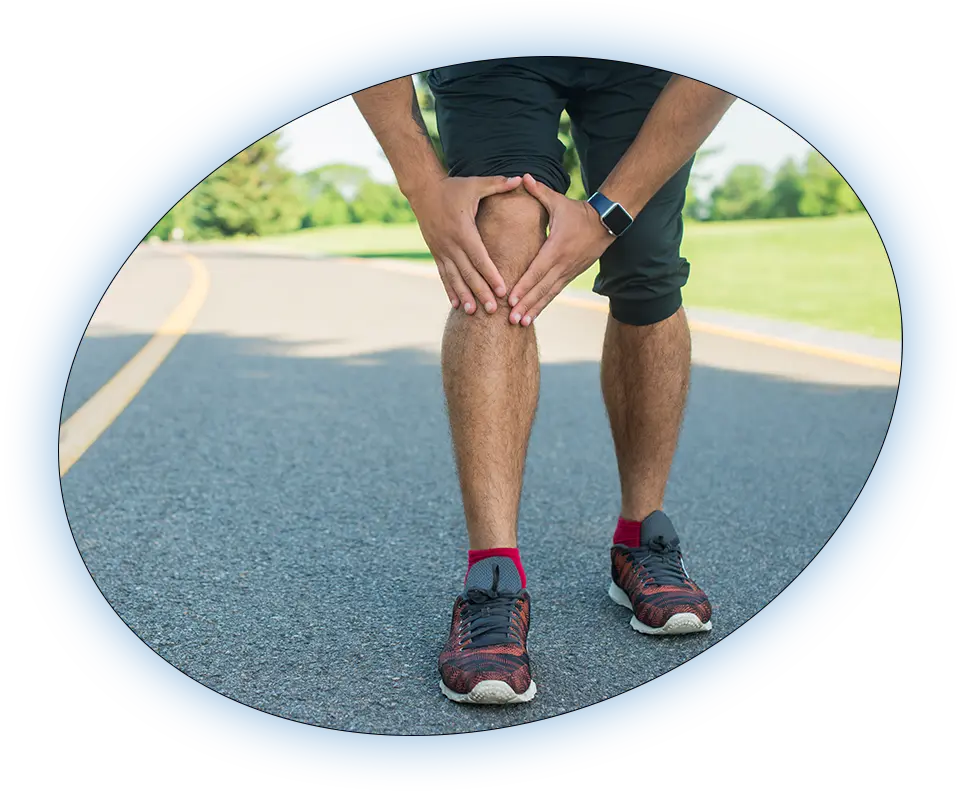
What Is Runner's Knee?
Treatments For Runner's Knee
Most runner's knee responds to conservative care that relieves pain and corrects the underlying cause.
Non-surgical care
- Rest and ice. Reduce pain and swelling.
- Physical therapy. Strengthens the muscles around the knee and hip and improves biomechanics.
- Medication. Over-the-counter pain relievers such as ibuprofen.
- Bracing. A knee brace or taping supports the kneecap.
If symptoms persist
- Injections. For persistent inflammation.
- Knee arthroscopy. In severe cases, to repair damaged tissue.
Surgery is rarely needed. Most runners return to activity with a guided, gradual plan.
How Runner's Knee is Diagnosed

Common Causes Of Runner's Knee
Runner's knee develops when the knee joint is overloaded. Common causes include:
Overuse
Repeated impact from running and high-impact sports.
Weak muscles
Weak quadriceps, hamstrings, or hips put extra stress on the knee.
Poor biomechanics
Improper running form or shoes that do not fit correctly.
Arthritis
Osteoarthritis can cause knee pain and increase the risk.
Injury
A direct blow or trauma to the kneecap area.
Training errors
Increasing mileage or hills too quickly.
Getting Back To Running
A gradual, structured return helps prevent the pain from coming back.
- 1
Settle the pain
Reduce mileage, avoid hills and stairs, and use ice after activity.
- 2
Build strength
Quadriceps, hip, and core strengthening support the kneecap.
- 3
Fix form and footwear
Address running mechanics and replace worn or ill-fitting shoes.
- 4
Return gradually
Increase distance and intensity slowly, guided by symptoms.
Frequently Asked Questions
What is runner's knee?
Runner's knee, also called patellofemoral pain syndrome, is pain around or behind the kneecap. It is common in runners and athletes but can affect anyone who stresses the knee.
What does runner's knee feel like?
Most people feel a dull ache around or behind the kneecap that worsens with running, climbing or descending stairs, squatting, kneeling, or sitting for long periods with the knees bent.
What causes runner's knee?
Common causes include overuse, weak quadriceps, hamstring, or hip muscles, poor running form or ill-fitting shoes, arthritis, and injury to the knee.
How long does runner's knee take to heal?
With activity modification and a strengthening program, many people improve within several weeks. Recovery is faster when the underlying cause, such as muscle weakness or form, is addressed.
Can I keep running with runner's knee?
Reducing mileage and avoiding hills and stairs while symptoms settle usually helps. A gradual return guided by pain and a physical therapist reduces the risk of a flare.
Does runner's knee need surgery?
Rarely. Most cases respond to rest, ice, physical therapy, and bracing. Surgery is considered only in severe cases with damaged tissue that does not respond to other care.
How is runner's knee diagnosed?
A physical examination of the kneecap, alignment, and muscle strength usually makes the diagnosis. X-rays or MRI may be used to rule out other problems.
Where can I be seen for runner's knee?
Total Spine and Orthopedics treats knee pain in Melbourne, Orlando (Lake Nona), and Titusville. Call (321) 499-4646 to schedule an evaluation.
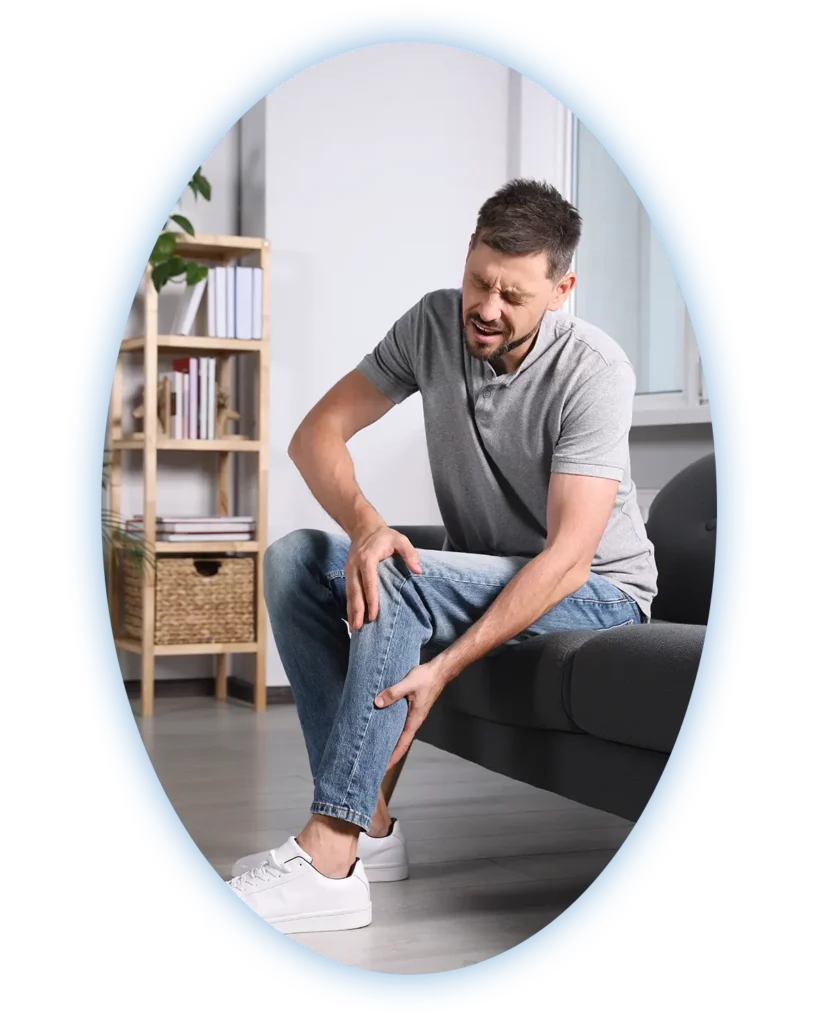
Symptoms Of Runner's Knee
Symptoms usually build gradually with activity. Common signs include:
- Pain around or behind the kneecap, especially when running or using stairs.
- Pain with squatting, kneeling, or sitting with bent knees.
- Swelling and inflammation in the knee.
- Stiffness or tightness that makes bending difficult.
- Grinding or clicking under the kneecap.
Related Conditions
Our Patients Stories
Hear our patients share their experience with us, All in their own words.
Why Choose Total Spine and Orthopedics
Expert, ultra-minimally invasive spine and orthopedic care, close to home.
Ultra-minimally invasive and endoscopic techniques
We specialize in procedures performed through incisions smaller than a dime, sparing muscle and supporting a faster recovery.
Same-day, outpatient procedures
Most patients walk in and return home within hours, rather than facing an overnight hospital stay.
Board-certified, fellowship-trained surgeons
Our team includes early leaders in endoscopic spine surgery.
A complimentary MRI review
Understand your diagnosis and options from a board-certified specialist before committing to any treatment.
Trusted by our community
More than 1,100 patient reviews at a 4.6-star average, and over 50,000 patients treated.
Getting active people moving again
We focus on the cause of the pain so you can return to running safely.
Comprehensive spine and orthopedic care
From injections to advanced procedures, your full continuum of care is handled in one place.
Convenient locations across the Space Coast and Orlando
Care close to home in Melbourne, Orlando (Lake Nona), and Titusville.
Schedule your visit online