
Cubital tunnel release relieves pressure on the ulnar nerve where it passes the inside of the elbow, the cause of the numbness and weakness of cubital tunnel syndrome. It is considered for severe cases, or when conservative care has not helped, and is typically an outpatient procedure.

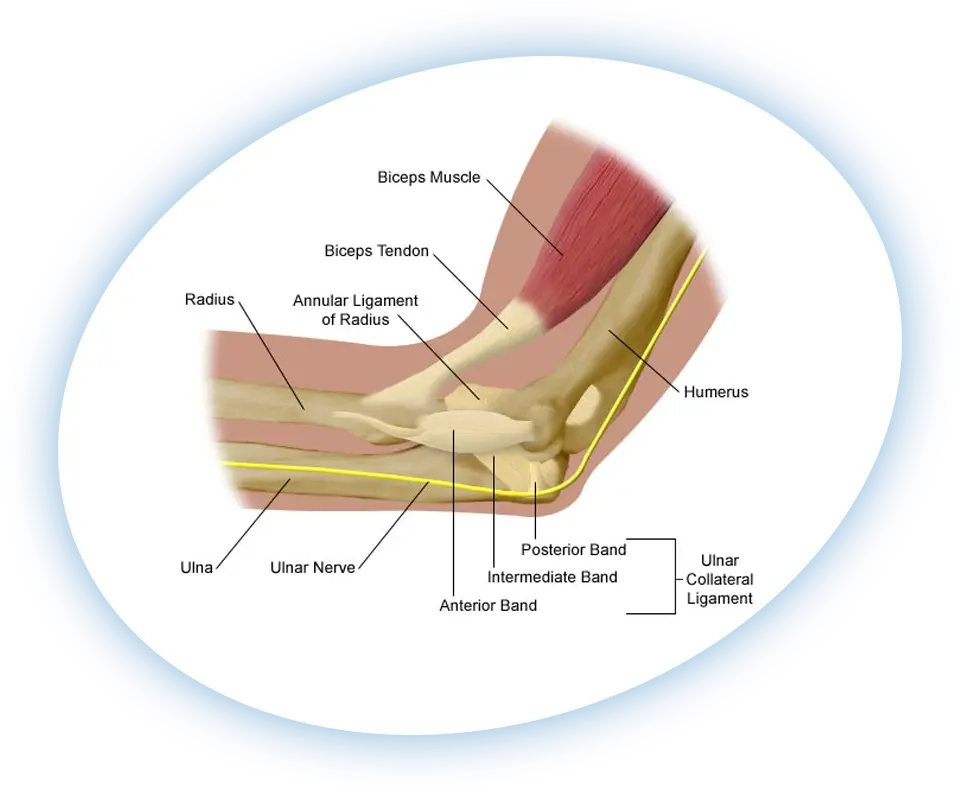
This procedure is used for the following conditions. Each links to its own page with symptoms and other treatment options.

Cubital tunnel release is typically an outpatient procedure:
Anesthesia
You are made comfortable for the procedure.
An incision at the elbow
An incision is made over the cubital tunnel on the inside of the elbow.
Releasing the nerve
The tight tissue over the ulnar nerve is released.
Removing compression
Any tissue or growths compressing the nerve are removed.
Closing and recovery
The incision is closed and a soft dressing is applied.
Recovery varies with the severity of nerve compression.
First days
Gentle use
Light hand use and finger motion as directed.
First weeks
Protect the elbow
Avoid leaning on or forcefully bending the elbow while it heals.
Weeks to months
Regain strength
Therapy may help; nerve recovery can be gradual.
Cubital tunnel release is a procedure that relieves pressure on the ulnar nerve at the inside of the elbow by releasing the tissue that forms the roof of the cubital tunnel and removing anything compressing the nerve.
It is considered for severe cubital tunnel syndrome, when numbness persists despite conservative care, or when there is weakness or wasting of the hand muscles.
Through an incision at the inside of the elbow, the surgeon releases the tight tissue over the ulnar nerve and removes any tissue or growths compressing it.
Cubital tunnel release is typically performed on an outpatient basis.
Many patients use the hand for light activities soon after surgery, with a gradual return to full activity over several weeks. Therapy may be recommended.
Many patients notice improvement, though long-standing numbness and weakness can recover slowly and sometimes incompletely, which is why timely treatment matters.
Yes. Avoiding prolonged elbow bending, night splinting, physical therapy, and anti-inflammatory medication often relieve mild to moderate symptoms.
An examination and nerve conduction studies or electromyography show how much the ulnar nerve is affected. Call (321) 499-4646.
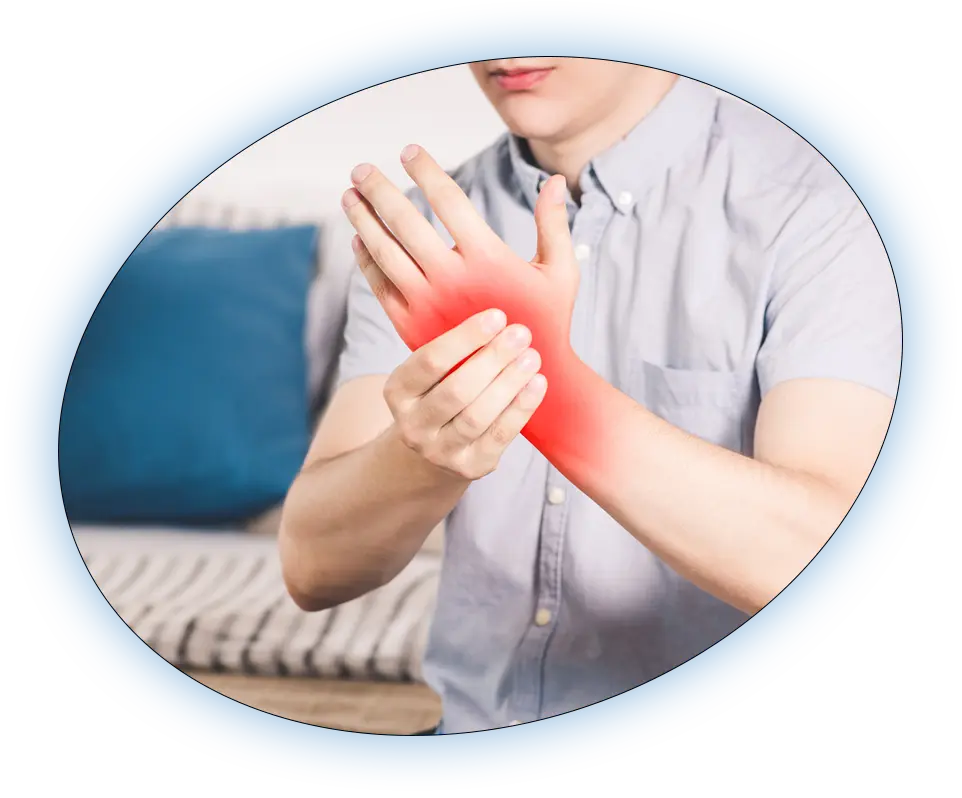
Relieving pressure on the ulnar nerve can ease:
How non-surgical care compares with cubital tunnel release.
Timely treatment helps protect the ulnar nerve and the small muscles of the hand.
Hear our patients share their experience with us, All in their own words.
Expert, ultra-minimally invasive spine and orthopedic care, close to home.
Ultra-minimally invasive and endoscopic techniques
We specialize in procedures performed through incisions smaller than a dime, sparing muscle and supporting a faster recovery.
Same-day, outpatient procedures
Most patients walk in and return home within hours, rather than facing an overnight hospital stay.
Board-certified, fellowship-trained surgeons
Our team includes early leaders in endoscopic spine surgery.
A complimentary MRI review
Understand your diagnosis and options from a board-certified specialist before committing to any treatment.
Trusted by our community
More than 1,100 patient reviews at a 4.6-star average, and over 50,000 patients treated.
Orthopedic care for arm and hand nerves
Our team treats nerve compression at the elbow and wrist, from therapy to surgical release.
Comprehensive spine and orthopedic care
From injections to advanced procedures, your full continuum of care is handled in one place.
Convenient locations across the Space Coast and Orlando
Care close to home in Melbourne, Orlando (Lake Nona), and Titusville.